Incarceration & Mental Health Analysis
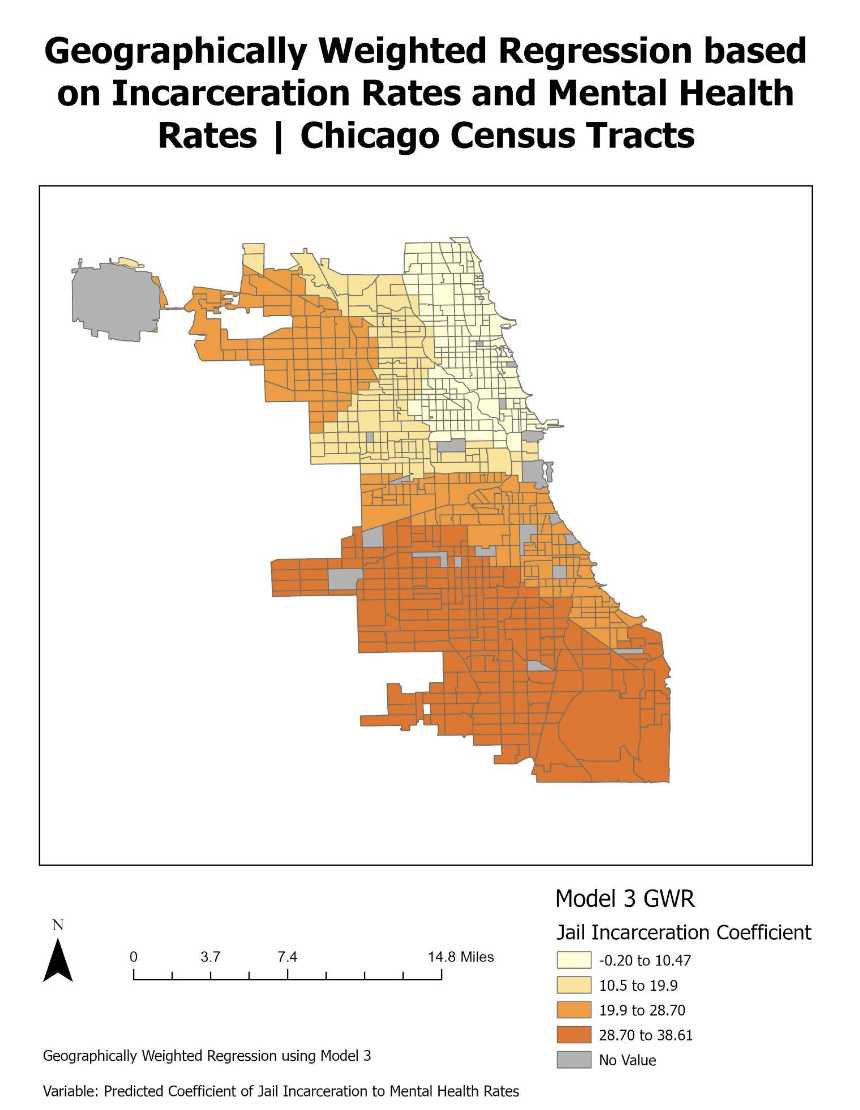
Project Overview
This comprehensive analysis examines the complex relationship between incarceration rates and mental health outcomes. The project investigates how these two critical social issues intersect, using statistical methods to identify patterns, correlations, and potential causal relationships that inform public health and criminal justice policy.
Research Objectives
The analysis aimed to address several key research questions:
- Relationship Identification: Quantify the strength and direction of relationships between incarceration and mental health indicators
- Pattern Recognition: Identify demographic and geographic patterns in the data
- Policy Implications: Provide evidence-based insights for policy development and intervention strategies
- Data-Driven Solutions: Support advocacy efforts with rigorous statistical analysis
Data & Methodology
This research employed a comprehensive analytical approach:
- Data Sources: Integrated multiple datasets including incarceration statistics, mental health prevalence data, and demographic information
- Statistical Analysis: Applied correlation analysis, regression modeling, and other statistical techniques to examine relationships
- Data Visualization: Created compelling visualizations to communicate complex findings to diverse audiences
- Comparative Analysis: Examined patterns across different populations, regions, and time periods
- Ethical Considerations: Ensured responsible data handling and interpretation of sensitive social issues
Key Findings
The analysis revealed several important insights:
- Significant Correlations: Identified meaningful relationships between incarceration rates and mental health outcomes
- Demographic Patterns: Found variations in relationships across different demographic groups
- Geographic Disparities: Highlighted regional differences in both incarceration and mental health indicators
- Policy Gaps: Identified areas where current policies may not adequately address the intersection of these issues
- Intervention Opportunities: Suggested evidence-based approaches for addressing identified patterns
Technical Approach
The project utilized rigorous statistical methods to ensure robust and reliable findings. The analysis process involved careful data cleaning, appropriate statistical test selection, and thorough validation of results. Visualization techniques were employed to make complex statistical relationships accessible to both technical and non-technical audiences.
The methodology emphasized transparency and reproducibility, with clear documentation of analytical choices and their implications. This approach ensures that the findings can be critically evaluated and built upon by other researchers and policymakers.
Impact & Applications
This analysis contributes to the growing body of research on the intersection of criminal justice and public health. The findings have implications for:
- Policy Development: Informing evidence-based policy decisions at local, state, and federal levels
- Program Design: Supporting the development of intervention programs that address both incarceration and mental health
- Advocacy Efforts: Providing data-driven support for advocacy organizations working on criminal justice reform
- Research Community: Contributing to academic understanding of these complex social issues
- Public Awareness: Helping raise awareness about the connections between incarceration and mental health
Analysis Report
Complete relationship analysis report
Presentation Slides
Project presentation materials